Creating engaging videos without showing your face is now faster and more effective than ever. With AI character animation tools, you can produce professional-looking animated videos in as little as 15-30 minutes, a process that once took hours. These animated explainers boast an impressive 85% average viewer retention rate, significantly outperforming live-action videos which typically hold attention for about 60%. For creators seeking to maintain a constant stream of compelling visuals, learning about using AI for B-roll footage can be a game-changer.
- Create animated character videos in 15-30 minutes using AI tools, a task that once took hours.
- Boost viewer retention rates to as high as 85% with animated explainers, compared to 60% for live-action.
- Increase social media engagement by 20-30% by using a consistent AI-animated character as your brand’s face.
- Start for free with tools like D-ID and HeyGen, which offer monthly credits to test their platforms.
How to Create Your First AI Animated Character Video: A 3-Step Guide
Step 1: Design Your Character with an AI Image Generator
The first crucial step in creating an AI-animated video is to establish your visual character. You have a couple of primary paths here. One popular approach is to leverage AI art generators, like Midjourney or Stable Diffusion, to craft a completely unique character that aligns with your brand’s aesthetic. This allows for maximum creative control and originality. Alternatively, many AI video platforms offer built-in avatar libraries. For instance, HeyGen provides over 100 avatar templates to choose from, and you can also upload your own custom designs. Even user-friendly design tools like Canva offer character templates that can serve as excellent starting points for your animated persona. D-ID, with its Creative Reality Studio, offers remarkable flexibility by allowing you to animate virtually any photograph, giving you the freedom to use a custom illustration or even a stylized portrait.
Step 2: Choose an AI Platform to Animate and Add a Voice
Once you have your character asset, the next step is to select an AI platform that can bring it to life with animation and voice. The choice often depends on your character’s source. If you’ve created a static image or portrait, D-ID is an excellent option specifically designed for animating such photos. It excels at making a still image speak and move realistically. For those who prefer a more customizable avatar with natural movements and expressions, platforms like HeyGen or Synthesia are strong contenders. Synthesia, in particular, offers a vast library of over 140 professional AI avatars suitable for corporate use cases. When selecting a platform, pay close attention to its lip-sync accuracy, especially if your video will be in English. D-ID boasts over 95% accuracy for English, while HeyGen supports lip-sync in more than 40 languages with 90%+ accuracy, ensuring your character’s speech appears natural and synchronized.
Step 3: Input Your Script and Generate the Final Video
With your character designed and your animation platform chosen, the final step is straightforward: inputting your script and generating the video. Most AI animation tools follow a similar workflow. First, you’ll upload your static character image or select a pre-designed avatar from the platform’s library. Next, paste your video script into the provided text box. You can then choose a pre-made AI voice from a wide selection or, for a more personalized touch, upload your own voice clone. Once everything is set, simply click the ‘generate’ button. The magic of AI is that this entire process, from script to final video, can typically be completed in just 15-30 minutes. This is a dramatic improvement compared to traditional animation methods, which could easily take 4-8 hours for a similar output. Many platforms, like HeyGen and D-ID, offer free tiers or credits, allowing you to experiment and generate your first few videos without any initial investment.
Which AI Animation Tool is Right for Your Faceless Channel in 2026?
2026 Pricing: Comparing Free vs. Starter Plans for Top AI Animators
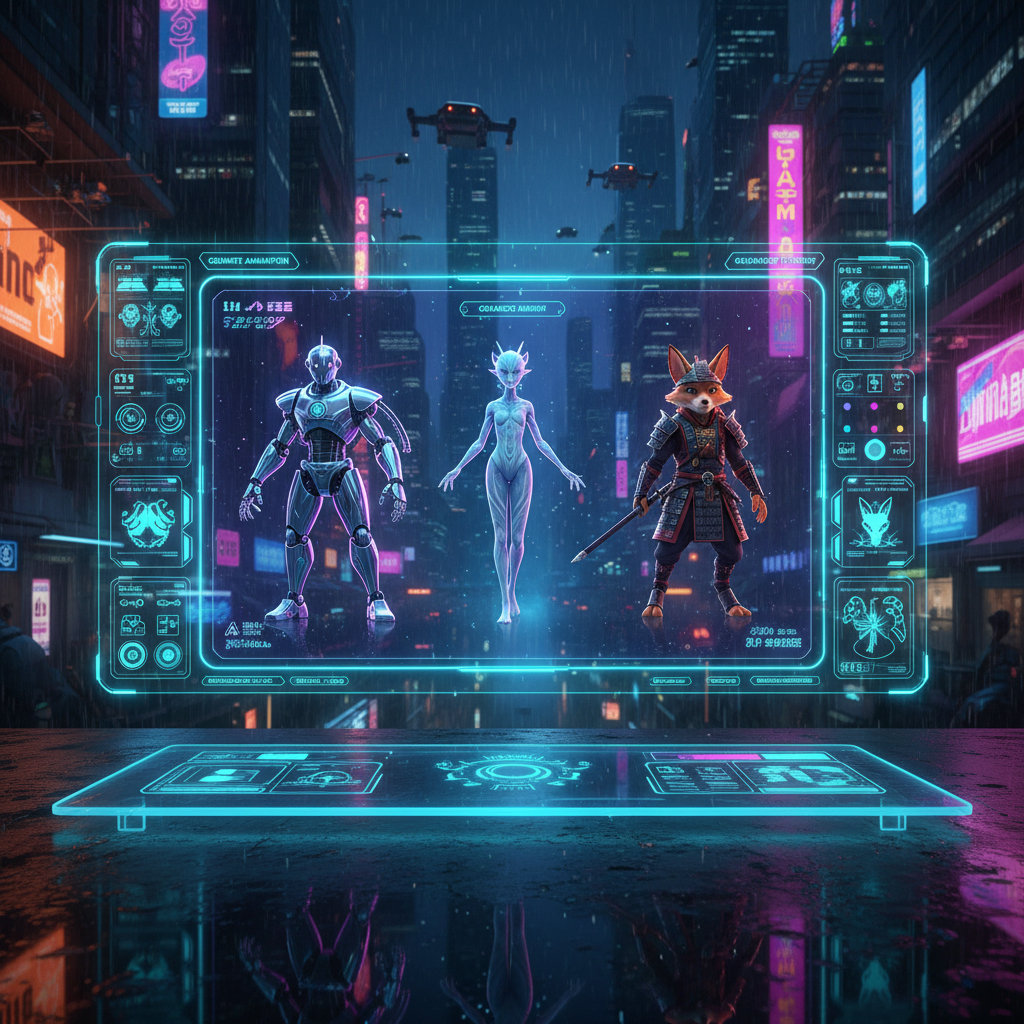
Choosing the right AI animation tool often comes down to budget and specific needs. For creators just starting out, free tiers are invaluable for testing capabilities. D-ID’s free tier offers 5 minutes of video generation per month, which is ample for initial experimentation. HeyGen provides one free credit, roughly equivalent to one minute of video, allowing you to create a single animated clip. Runway ML is also generous with its free offering, providing 125 credits each month. For those ready to invest a bit more, the starter plans offer significantly more output. D-ID’s Pro plan is a very affordable $5.90 per month for 15 minutes of video. HeyGen’s Creator plan costs $24 per month for 15 credits, and Synthesia’s Starter plan is $29 per month, granting you 10 videos. These starter plans are ideal for creators who need more consistent output for their faceless content strategy, and for staying ahead of trends, leveraging AI-driven trend analysis for content creators is becoming increasingly vital.
| Tool | Free Tier Offer | Starter Plan Price (per month) | Best For |
|---|---|---|---|
| D-ID | 5 minutes of video/month | $5.90 (Pro, 15 minutes) | Animating single photos, quick lip-sync |
| HeyGen | 1 credit (approx. 1 minute) | $24 (Creator, 15 credits) | Custom avatars, diverse templates |
| Synthesia | N/A (Trial available) | $29 (Starter, 10 videos) | Professional AI avatars, corporate use |
| Runway ML | 125 credits/month | $12 (Standard, 625 credits) | General AI video generation, editing |
D-ID vs. HeyGen: When to Use Photo Animation vs. Custom Avatars
When deciding between D-ID and HeyGen, consider your primary goal. D-ID shines when you have a specific image or portrait you want to bring to life quickly. Its core strength lies in its Creative Reality Studio, which is expertly designed to animate any uploaded photo, making it perfect for creating a unique spokesperson from a single image. HeyGen, on the other hand, excels in building a consistent, reusable brand mascot. Its extensive library of over 100 avatars and the ability to create your own custom avatar provide more natural movements and a wider range of expressions, ideal for establishing a recognizable brand identity across multiple videos. While both platforms offer impressive lip-sync capabilities, HeyGen’s broader language support can be a significant advantage for global audiences.
For Corporate Content: When to Upgrade to Synthesia or Vyond
While D-ID and HeyGen are fantastic tools for individual creators and small businesses, larger organizations or those with more demanding professional needs might consider enterprise-grade solutions. Synthesia is specifically engineered for professional AI video avatars, offering a polished and corporate-friendly aesthetic. It’s a top choice for generating high-quality training videos, marketing explainers, and internal communications where a sophisticated on-screen presence is required. Similarly, Vyond is a business-focused character animation studio that provides robust tools for creating animated videos tailored to corporate training, e-learning, and marketing campaigns. These platforms often come with advanced features, team collaboration tools, and dedicated support, making them suitable for businesses looking to integrate AI animation into their larger content strategies. For those looking to streamline video production further, exploring automated video creation with APIs can offer even greater scalability and for creators aiming to repurpose content, understanding AI-powered content summarization for videos is also essential.
How Does AI Animation Actually Impact Viewer Engagement?
The Data: Achieving 85% Retention with Animated Characters
The impact of AI-animated characters on viewer engagement is substantial, backed by compelling data. According to Wyzowl’s Video Marketing Statistics 2024, animated explainer videos achieve an average retention rate of 85%. This figure significantly outperforms live-action videos, which typically see an average retention rate of around 60%. The reason for this disparity is multifaceted: animation can simplify complex ideas, making them easier to grasp and follow. Furthermore, the visual dynamism and creative freedom inherent in animation tend to hold viewers’ attention more effectively than a static talking head. Research also indicates that 65% of viewers retain information better when presented with animated characters compared to traditional live-action formats, highlighting the power of this medium for educational and explanatory content.
Animated explainer videos achieve an 85% average retention rate, significantly outperforming live-action’s 60%. (Source: Wyzowl Video Marketing Statistics 2024)
From Views to Subscribers: Boosting Channel Growth by 20-30%
The use of AI-animated characters can directly translate into tangible channel growth and higher engagement rates. Video content featuring animated characters consistently shows 20-30% higher engagement compared to static visuals or less dynamic content. For faceless YouTube channels, this boost in engagement is critical for subscriber growth. Channels that effectively utilize a consistent character brand can reach impressive milestones, with many in tutorial niches averaging between 50,000 to 200,000 subscribers. The overall engagement rate for these channels typically hovers between 4-8%, which is double the 2-4% seen in channels relying solely on static content. This enhanced interaction not only leads to more views but also fosters a stronger connection with the audience, encouraging them to subscribe and return for more. For creators looking to enhance accessibility and SEO, understanding AI for subtitle generation is also crucial for maximizing reach.
The most surprising insight is that creating a memorable brand mascot is no longer a task exclusively for animation studios; it’s now a 15-minute process for any creator. Take the first step today: Use HeyGen’s free credit to create a custom avatar video and test its performance on your social media channels.